
Data & Design Lab
Welcome to the Data and Design Lab!
Founded in 2016 within the Department of Computer Science and Engineering at the University of Dhaka, the Data and Design Lab is an interdisciplinary research laboratory that brings together data science, artificial intelligence, statistical inference and human-centred design to address complex societal challenges. Over the years, the lab has grown into an international research community, collaborating with researchers, governments, international organisations and industry to develop AI and data-driven technologies for public good.
We believe that evidence-informed decision-making can improve public policy, strengthen organisations and create meaningful social impact. However, we also recognise that data alone cannot answer every question. Numbers must be interpreted within their social, cultural and institutional contexts. We therefore combine computational methods with human-centered design, domain expertise and participatory approaches to ensure that technology serves people rather than the other way around.
Our Research
Our research is organised around three interconnected pillars:
Data Science & Artificial Intelligence
We develop novel methods in machine learning, artificial intelligence, statistical inference and computational social science to understand complex systems and support better decision-making. Our research spans predictive modelling, causal inference, multimodal AI, spatial analytics, natural language processing, digital trace data and AI-driven methods for addressing societal challenges.
Human-Centered Design & Human-Computer Interaction
Technology should be designed with people, not simply for people. We integrate human-computer interaction, participatory design, behavioural science and design thinking throughout the research process to ensure that AI systems are usable, trustworthy, inclusive and aligned with the needs, values and lived experiences of diverse communities.
Public Policy & Societal Impact
We harness AI and data science to support evidence-informed decision-making in governments, international organisations, industry and civil society. Our work spans public policy, digital governance, health, education, energy, sustainability and international development, ensuring that advances in AI translate into measurable public value.
Our Philosophy
As digital technologies become embedded in everyday life, individuals, organisations and societies continuously generate new forms of data that deepen our understanding of human behaviour, institutions and the environment. When analysed responsibly, these data can help governments, businesses and civil society make more informed, transparent and equitable decisions. Yet many of the communities that could benefit most from advances in AI continue to face constraints in data availability, computational resources, infrastructure, language and institutional capacity. A central focus of our research is therefore to develop intelligent systems that remain useful, trustworthy and effective under real-world constraints, ensuring that the benefits of AI are accessible across diverse contexts rather than only in data-rich environments.
Human-centred design lies at the heart of our research philosophy. We believe that successful AI systems are not defined solely by predictive accuracy or computational performance, but by how well they support human goals, fit organisational practices and improve people’s lives. Design thinking, user-centred research and participatory methods are therefore integrated throughout our research process, enabling us to understand stakeholders, anticipate unintended consequences and develop technologies that are both technically rigorous and socially meaningful.
The Data and Design Lab embraces interdisciplinarity as a fundamental principle. We believe that the most pressing societal challenges cannot be solved by a single discipline alone. By combining advances in artificial intelligence, machine learning and statistical modelling with insights from the social sciences, humanities, behavioural sciences and design, we create human-centred technologies that are scientifically rigorous, ethically responsible and grounded in the realities of the communities they serve.
Our vision is to advance the science and practice of human-centred AI and data science for public good—developing intelligent systems that help people, organisations and governments make better decisions while remaining responsive to the diverse social, economic and institutional realities of the world.
Funded Research Projects

Improving Quality of Power Supply to the Industrial Clusters around Dhaka City
Quality of power supply has three main aspects – Reliability, Power quality, and Commercial quality. The first two are related to the technical aspects of a power system and the last one is related to the quality of service provided to the customers. For Bangladesh, one of the fastest growing economy of the world, the supply of quality electricity is vitally important to meet the growing demand for electricity and to improve the country’s economic condition further. The recent growth of power generation in Bangladesh indicates that the government has successfully met the challenge of expanding the generation capacity. However, significant challenges persist. Rigorous investigation is essential to analyze the existing power supply quality. We also need to evaluate the economic cost of low power quality and how it varies across different industries to take appropriate policies. To overcome these challenges, a complete data base development and a data scientific analysis approach is necessary.
Identifying this knowledge gap, this research proposes a pilot project that aims to incorporate a data driven approach to improve the Quality of Supply (QoS) of our National Power Grid System. To achieve the goal, the study defines a set of Objective Parameters (OP) to monitor the Quality of Supply (QoS) from Big Data Analysis and Sample Survey. Initially, two commercial hubs have been selected for the pilot project, which have a high concentration of commercial industries. Load, complaint, and supply interruption data of two years from two substations and interruption data from four (depending on the availability) industrial customers will be collected and digitized. Power quality data (voltage, frequency data) will be collected by random sampling method through manual inspection from the substations. Following the data preparation, a preliminary analysis will be conducted. Industries will be categorized into different cluster based on OPs. Finally, the study will draw some policy suggestions based on the cluster analysis.
Funded by BEPRC (Bangladesh Energy and power Research Council)

Scrutiny of Electricity Billing and Supply Data as a Probable Proxy for Economic Activities: A Comprehensive Analysis of Power Consumption of Dhaka, Bangladesh
This research is a case study of electricity consumption pattern of Dhaka city dwellers of Bangladesh. Electricity is a vital resource for country’s development. Efficient management of electricity production, distribution and supply is vital for not only the economy but also for the environment. Bangladesh as a developing country needs well managed electricity-energy eco system to ensure continuous economic development. The prerequisite of a well-managed electricity eco system, are policies driven by robust knowledge of the demand and supply needs. Bangladesh lacks data driven research that sheds light on various aspects of electricity eco system and may help the policy makers. The gap between the need for evidenced based research and policy initiatives is ever increasing. This research aims at reducing the gap.
In order to reduce the gap, this research aims to harness uniquely built dataset based on monthly billing data and hourly supply data at the household level. The underlying assumption of the report regarding better management of public utility requires fulfillment of prerequisites: a. understanding the consumers and their economic health, b. understanding how regulatory decisions impact their behavior and c. forecasting short, mid and long-term demand of the public utility. The uniquely built dataset is examined via various statistical and computational tools to help policy makers gain more insight on these prerequisites.
Funded by LIRNEasia & IDRC (Canada)

Internal River Road Network Simulation and Optimum Network Design using Deep Learning
A well-structured inland waterways system should help Bangladesh fulfil SDG goals. In this research work, we employ complex network analysis methods to analyse the river-port network of the country. We ascertain different types of ports based on their importance and placement in the connectivity network. Data regarding port location, vessel routes and schedules were collected from governmental resources. Using the data, a connectivity network was built for further analysis. Different measures of network analysis are used to categorize the ports and the network model has been identified. These categories should help transportation planners and policymakers to better design the inland waterways network of Bangladesh.
Funded by ICT Division, Bangladesh
Research Focus





Recent News
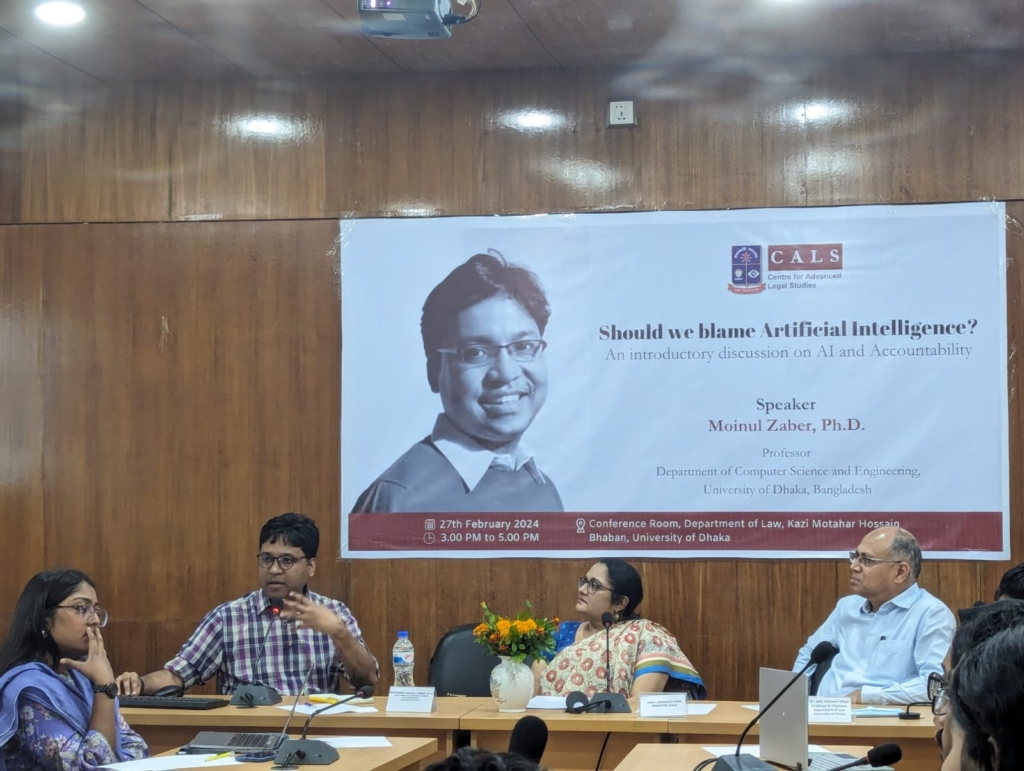
Dr. Moinul Islam Zaber gave a talk at the “Should we blame Artificial Intelligence?” seminar organized by the Centre for Advanced Legal Studies, University of Dhaka, emphasizing the need for directive guidelines over rigid legal provisions in addressing AI accountability. The event, held on 27 February 2024, fostered discussions on the balance between innovation and the legal challenges posed by AI misuse.
The event was featured in The Daily Star.
2024
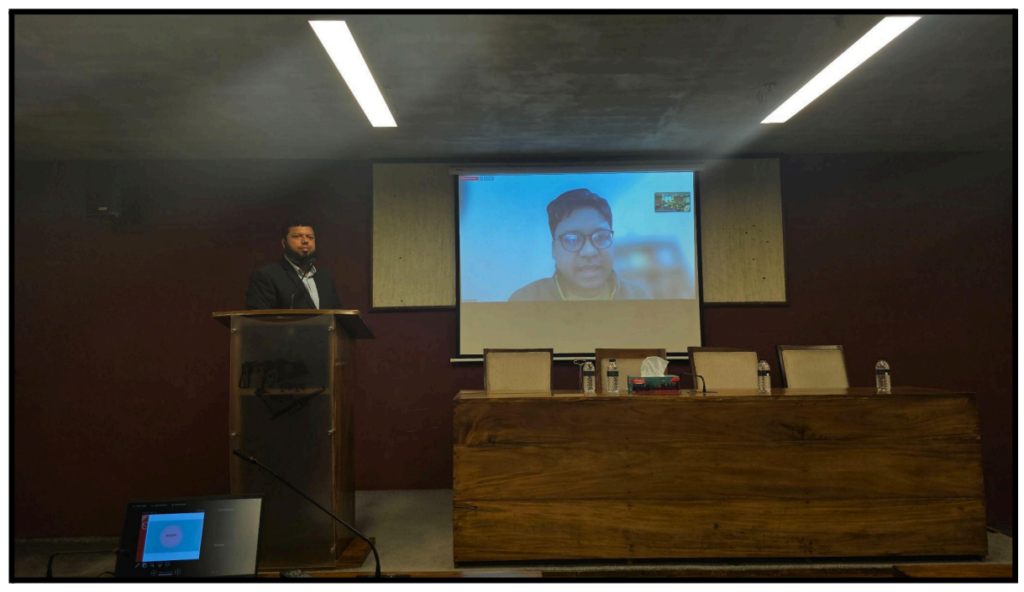
The DnD Lab collaboration with the Liberation War Museum in Bangladesh integrates AI into the national curriculum, transforming history education into an interactive, engaging experience for students and educators alike. This innovative project, involving a dedicated team, signifies a major step in merging technology with education, bringing the nation’s history to life for future generations.
Our Blog Post: https://www.dndlab.org/2024/01/10/dnd-liberation-war/
2024

ISSA Webinar: Decoding Artificial Intelligence – Unveiling the secrets of explainability
Explainability in Artificial Intelligence (AI) refers to having the capability to understand how these systems make decisions or predictions. It is a concept that is key to building trust in the technology, especially with those without a technical background, and to help teams grasp the rationale behind AI predictions and ensure that decisions align with the social security institutions’ objectives.
https://www.issa.int/events/webinar-2024-01-18: News
2024

Speaker, AI and Startup future, Bangladesh startup summit, 2023, Panel Discussion with the Government, Start up and Infrastructure industry leaders Dhaka, Bangladesh, July 29-30, 2023
Fireside Chat, With Jann Talinn, Inventor of Skype, On AI and our future, Bangladesh startup summit, 023, Dhaka, Bangladesh, July 29-30, 2023
2023
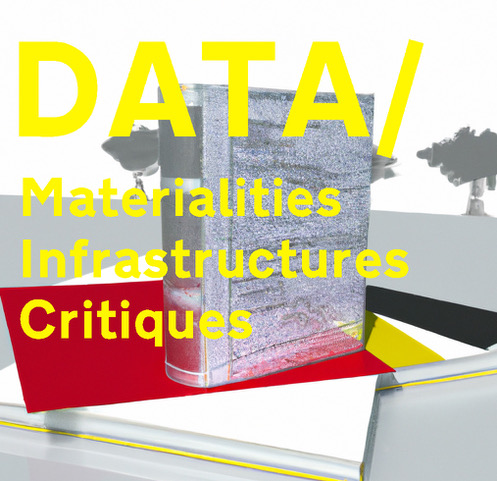
Invited talk, a day-long workshop on Data: Materialities, Infrastructures, Critiques, Cambridge Digital Humanities, University of Cambridge, Cambridge, UK, July 3, 2023
2023

Recent Works
Murshed Al Amin, MD. Jawad‑Al‑Mursalin Hoque, Zakia Nazzum, Md Abu Sayed, Sarker Tanveer Ahmed Rumee, and Moinul Islam Zaber. “Data Quality Assessment of Substation Data in Bangladesh: Insights from Handwritten Data Digitization”. 2023 10th International Conference on Power Systems (ICPS), Cox’s Bazar, Bangladesh, 13 – 15 December, 2023. https://www.icps23.com/
The assessment of power quality is vital for evaluating the existing state of the electricity supply, pinpointing its deficiencies, and guiding enhancements to guarantee a stable and consistent power supply, particularly in the face of rising demands from both industrial and residential sectors. In the context of Bangladesh, however, most substation data are still recorded manually, despite ongoing digitization efforts. This paper focuses on the quality of digitized transcription of handwritten substation data to determine its suitability for further analytical use. Our analysis revealed that the paper-based data from the substations exhibited significant gaps, undermining its reliability and accuracy. Through comprehensive evaluation, we concluded that the data, in its current state, is inadequate for in-depth analysis without the application of robust imputation methods. By tackling these challenges, our research aims to contribute to more informed decision-making and the efficient management of Bangladesh’s electrical infrastructure. This study not only diagnoses the current shortcomings in data quality but also lays the groundwork for future improvements in the country’s approach to energy data management.
Shamim Bin Zahid, Aishwarya Ghosh Bristy, Sarker Tanveer Ahmed Rumee, and Moinul Islam Zaber. “Safeguarding User Privacy through Effective Information Disclosure Summary from the Software End-User License Agreements(EULAs)”. 2023 5th International Conference on Informatics, Electronics and Vision (ICIEV), London, UK, 26 – 29 October, 2023. http://cennser.org/ICIEV/
An End-User License Agreement (EULA), a significant precursor to modern privacy policies, are essential documents that communicate with people about how their personal information is collected, used, and protected by organizations/companies, especially through software. EULAs serve as a legal framework to govern product usage. However, the current standard of representing privacy policy documents is often composed of legal jargon, which makes them lengthy, complex, and challenging for the average user to comprehend. Not everything mentioned in a protracted EULA document is meant to be vital for a user’s information safety. But proper representation of the document is crucial. There has been research on standardizing and summarizing privacy policies, A properly usable representation is yet to be standardized. This paper investigates a novel strategy to summarize the privacy-sensitive information from the EULA of a software or web application which involves exploring security critical keywords in the EULA and finding the correlation and meaning of such sentences in perspective of sensitive data access and disclosure. A detailed use experiment was performed and the findings show that the proposed methodology can better inform the users about their private data access by the applications.
Firoza Tabassum, Humaira Islam, Matin Saad Abdullah and Moinul Zaber. “Network Dynamics of Bangladesh Inland Waterways Augmented with Complex Network Analysis of Vessels and Connectivity”. 2023 5th International Conference on Informatics, Electronics and Vision (ICIEV), London, UK, 26 – 29 October, 2023. http://cennser.org/ICIEV/
The Bengal Delta is considered as world’s largest delta with the three largest rivers flowing across Bangladesh. As the cheapest medium of transportation, inland waterways vehicles play the most significant role in connecting the habitats making them the most economically significant means for goods and human transportation. To understand the inland waterway structure, complex network analysis has proven to be an important tool through which we can identify port connectivity, bottlenecks, significant ports, and clusters. Several authors have conducted such analysis to ascertain various networks including transportation and port connectivity networks. However, data scientific research works on connectivity networks focusing on the developing world are scarce. In previous research, researchers analyzed on port connectivity of districts indicating the structure of the river-based connectivity looking from the administrative perspective. However, the analysis lacked more information such as vessel frequency from the ports in the districts. Vessel frequency is necessary to understand the significance of the ports. The analysis of this paper is based on a uniquely developed dataset of ports and their vessel frequency giving a more complete picture of port conditions and characteristics of inland waterways of Bangladesh. Our analysis identifies the important ports and the dependency of the network on one city- Dhaka capital of Bangladesh. These findings can be helpful in understanding and modeling how the migration of a vast number of economically challenged populations actually happens. This can also help to ascertain many other socio-economic factors that are affected by inland waterways transportation, such as poverty, local business and trades, and transportation of goods and humans.
Md. Mehedi Hasan, Sarker Tanveer Ahmed Rumee, Moinul Islam Zaber. “An Experimental Study on Speech Emotion Recognition for Bangla Language”. 2023 5th International Conference on Informatics, Electronics and Vision (ICIEV), London, UK, 26 – 29 October, 2023. http://cennser.org/ICIEV/
Embedding speech recognition has increased the usability of artificial intelligence (AI) applications (e.g. smart home, chatbots, etc.). Recent research works have focused on increasing usability further enabling personalized applications. Speech emotion recognition (SER) is one of the building blocks of speech-enabled personalized systems. However, recognition of emotion from speech is complex as the intensity of the emotion, also known as arousal, can vary from person to person and change within a very short time. Data is another major challenge, especially for low-resource languages such as Bangla. To our knowledge, only two datasets are available open-sourced for Bangla speech emotion recognition. Considering the gaps, we have decided to focus on this problem. Our goal is to study the existing system, experiment, and evaluate the usability of available resources. In this work, we are focusing on applying deep learning techniques to available data resources in the Bangla language and evaluating their performance to find suitable techniques for Bangla SER. We have utilized two publicly available datasets, SUBESCO and BanglaSER. We have used a set of 11 different features as the audio representation. Convolutional neural networks and artificial neural networks have been used as deep learning techniques for this study. We have performed three types of experimental study on three different setups of datasets. We have achieved more than 70% accuracy for all setups without cross-validation. After cross-validation, we have achieved 68.08% average accuracy on setup 3 (only BanglaSER). After regularization with cross-validation, we have achieved 62.62% average accuracy on setup 3. We have evaluated the performance of SUBESCO and BanglaSER for other setups and approaches. This work will summarize the current state of Bangla SER which will help research communities to improve the existing system accordingly.